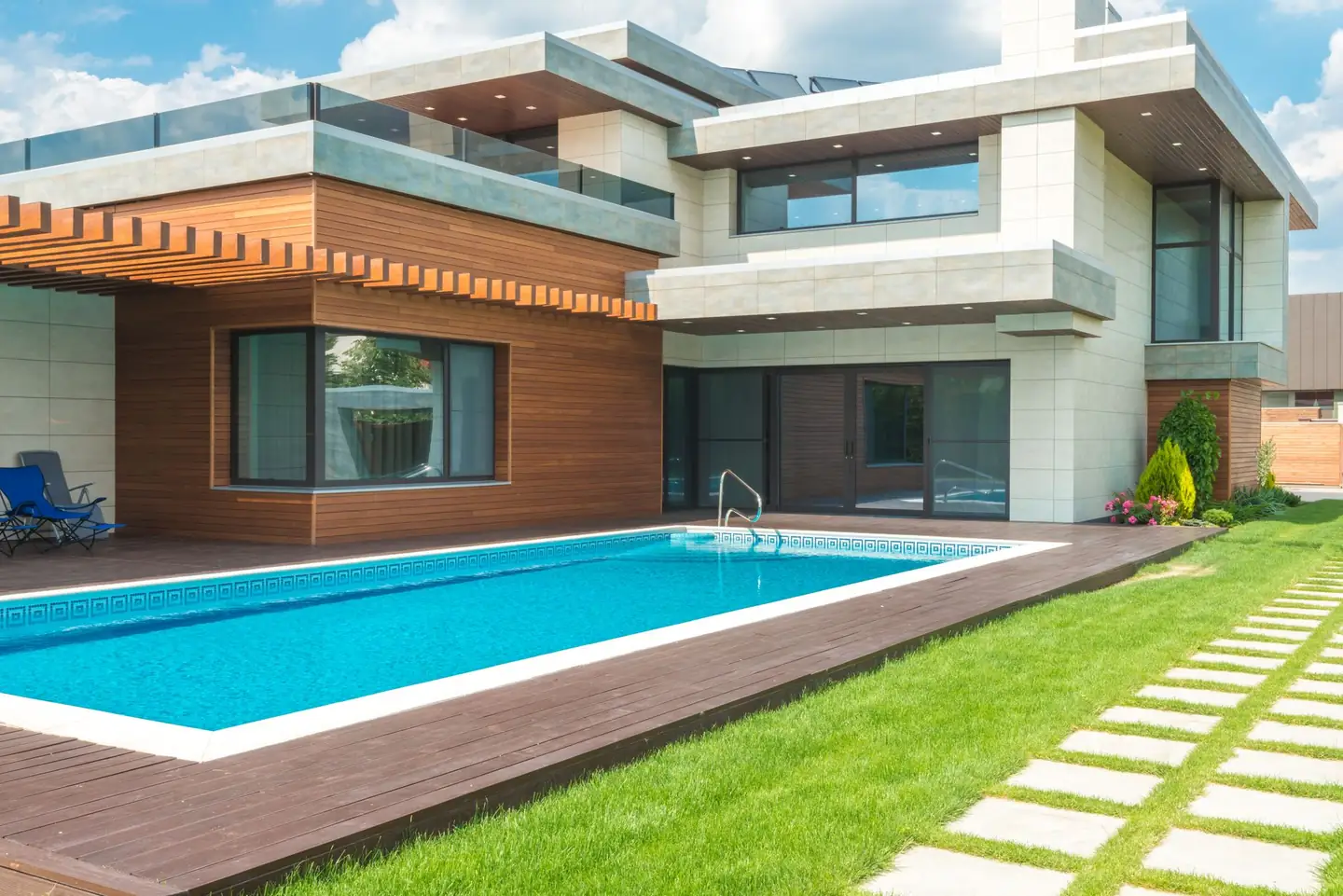
Our Pool Building Services in Suma Park
-
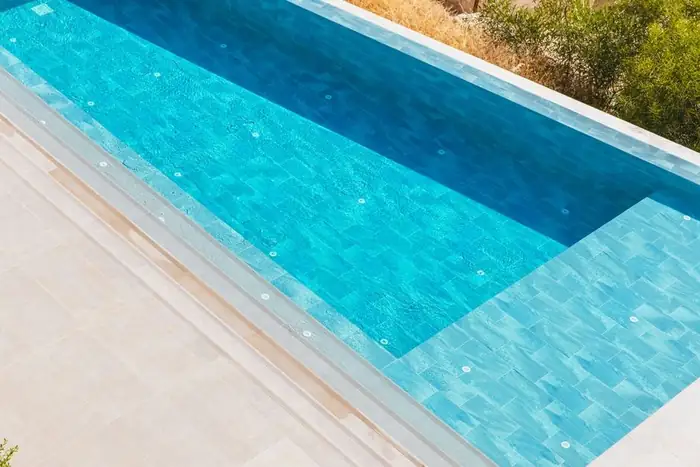
Concrete Pool Construction in Suma Park
Engineered, steel-reinforced concrete pools built to last for decades across Suma Park and the wider Orange area.
-
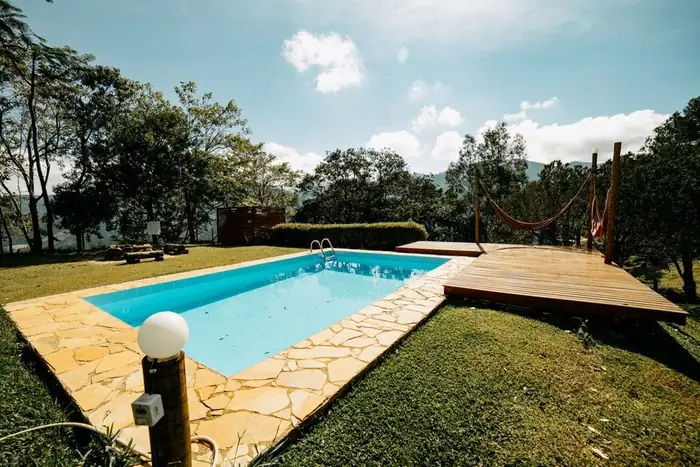
Fibreglass Pool Installation in Suma Park
Pre-moulded fibreglass shells with a smooth, durable gelcoat finish, installed right across Suma Park and the Orange area.
-
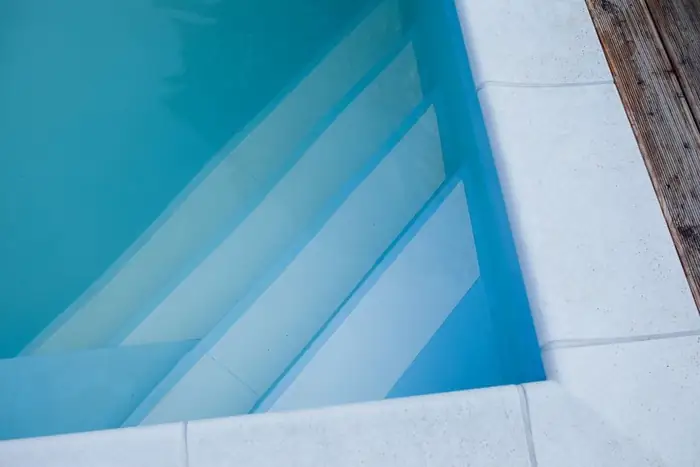
Plunge Pool Construction in Suma Park
Space-smart plunge pools for Suma Park, often fitted with swim jets, heating and built-in seating for year-round use.
-
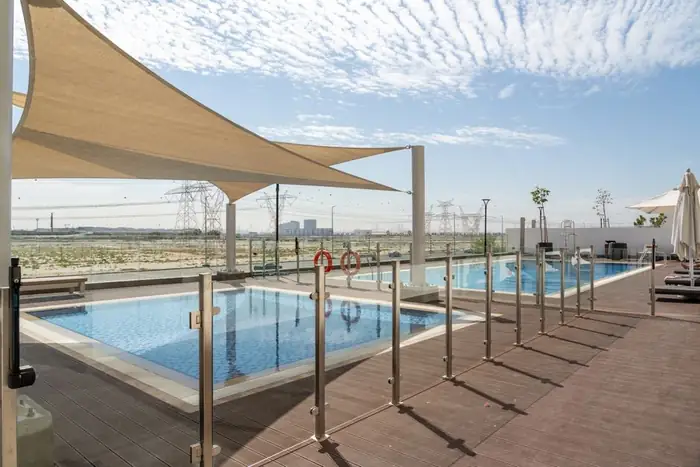
Pool Fencing & Safety Barriers in Suma Park
Pool fencing across Orange that meets NSW barrier law: correct height, self-closing gate and a clear non-climbable zone.
-
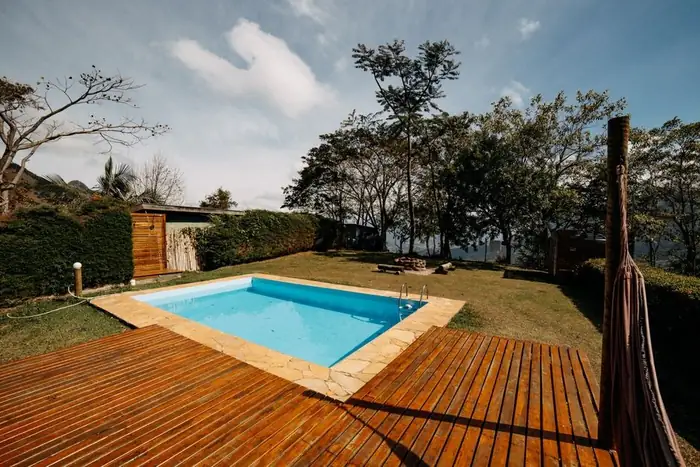
Pool Decking & Paving in Suma Park
Slip-resistant pool decking and paving for Suma Park homes in timber, composite and stone, built for wet feet and sun.
-

Pool Landscaping & Surrounds in Suma Park
Poolside landscaping for Suma Park homes: paving, planting, retaining, screening and lighting tied into one cohesive outdoor space.
Pool Construction Across Suma Park 2800
No two Suma Park blocks are the same, so a pool project is best handled by a builder who treats yours on its own terms. The work spans the full job: an initial site assessment, a design tailored to your space, the council or private-certifier approval, excavation, the pool shell, plumbing and filtration, the safety barrier, and the surrounds that finish it off. Properties across Orange range from compact inner courtyards to sloping family yards and large flat blocks, and each requires a different approach to access, engineering and layout. A builder who knows the Central West understands these differences and plans for them rather than discovering them halfway through. Approval in New South Wales usually runs as either a Complying Development Certificate via a registered certifier or a Development Application through the Orange council, and the right path depends on the block and the design. A well-built pool suits the local lifestyle and adds lasting value to a Suma Park home, particularly when the shell, filtration and finishes are specified to last. Handled in the correct order with the trades coordinated, the build runs to a schedule, and the household ends up with a pool matched to how it lives rather than a generic installation.
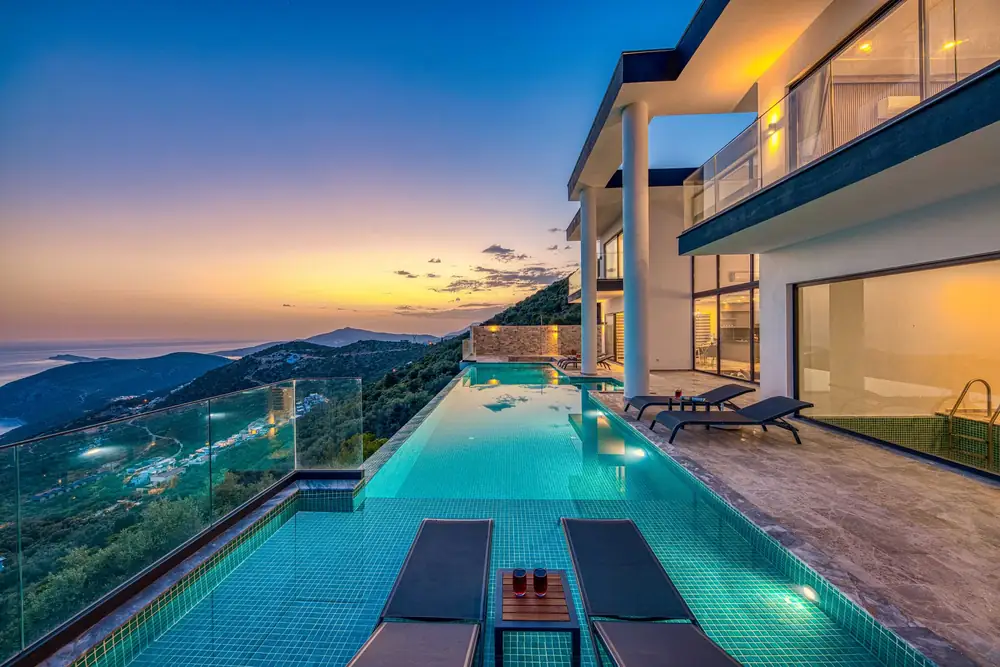
Pool Construction and Renovation in Suma Park
Pool work across Suma Park covers far more than a single standard build. New pools are constructed in both concrete and fibreglass: concrete is formed and sprayed on site and can be shaped to almost any design, including feature edges and integrated spas, while fibreglass arrives as a moulded shell and installs in a fraction of the time. For smaller Orange blocks there are plunge pools that pack a cooling pool into a tight courtyard, and for the fitness-minded there are lap pools that fit along a narrow side yard. Beyond new construction, plenty of Suma Park homes need renovation rather than a fresh build, whether that means resurfacing a worn interior, reshaping an older pool, replacing tired paving or upgrading dated filtration. Safety fencing is a service in its own right, since every pool in New South Wales must carry a barrier meeting AS 1926.1, and heating systems extend the swimming season well beyond the warmest weeks. Landscaping and paving turn the area around a pool into a usable outdoor space rather than a bare slab. Taken together, this range means a homeowner in Suma Park can build new, modernise an existing pool, or address a single element such as fencing or resurfacing as a standalone job.
- Concrete Pool Construction in Suma Park
- Fibreglass Pool Installation in Suma Park
- Plunge Pool Construction in Suma Park
- Lap Pool Construction in Suma Park
- Infinity & Wet-Edge Pools in Suma Park
- Small & Courtyard Pools in Suma Park
- Pool Renovation & Remodelling in Suma Park
- Pool Resurfacing & Interiors in Suma Park
- Pool Fencing & Safety Barriers in Suma Park
- Pool Landscaping & Surrounds in Suma Park
- Pool Decking & Paving in Suma Park
- Pool Heating & Solar in Suma Park
- Saltwater Pool Systems in Suma Park
- Mineral Pool Systems in Suma Park
- Spa & Spa-Pool Installation in Suma Park
- Pool Repairs & Leak Detection in Suma Park
Comparing Pool Types for Suma Park Properties
A Suma Park backyard can usually take more than one kind of pool, and understanding the differences makes the choice clearer. Concrete is the workhorse for custom builds: poured and sprayed on the block, it can be made any shape or depth and suits feature designs, sloping ground and the more difficult Orange sites, at a cost that generally runs from $55,000 to $120,000 or higher and over a longer programme. Fibreglass takes a different path, with a pre-moulded shell that installs quickly, carries a durable factory finish, asks for less maintenance and lands around $35,000 to $75,000 installed, in exchange for accepting one of the available shapes. Where room is short, a plunge pool offers depth and a cool soak without needing a large footprint, and a lap pool gives a daily swimmer a long, narrow lane along a fence line. A courtyard pool suits a compact terrace, and a wet-edge or infinity pool makes the most of a Central West block that sits above its surroundings. The sensible approach for a Suma Park home is to weigh how the pool will mainly be used against what the block allows and what the budget covers, then settle on the type that meets all three.
Matching the Pool to Your Suma Park Block
Choosing a pool type for a Suma Park property is really about trade-offs, and the four common options each lean a different way. Concrete is the choice for full design freedom: any shape, any depth, any feature, engineered to fit even an unusual or sloping Orange block, with the longest service life of the lot. The trade is a higher cost and a build measured in months rather than weeks. Fibreglass leans toward speed and value, arriving as a finished shell that is craned in and swimming quickly, with a low-maintenance surface and smaller running costs, accepting that shape and dimensions are fixed by the mould. For compact yards, a plunge pool offers a deep, refreshing pool in a small footprint and can take swim jets and heating for wider use, while a lap pool suits a narrow Central West block where the goal is daily exercise rather than lounging. The sensible way to land on one is to start from the block and the brief: how much space there is, what the budget allows, and whether the pool is mainly for cooling off, entertaining, exercise or a design statement. Match those answers to the strengths of each type and the right pool for the Suma Park home becomes clear.
The Stages of Pool Construction in Suma Park
A pool build in Suma Park moves through a fixed order of stages, and knowing the sequence makes the whole job easier to follow. It begins with design and an itemised fixed-price scope, where the pool is shaped to suit the block, the budget and how the household intends to use it. Approval comes next, either a Complying Development Certificate through a private certifier or a Development Application lodged with Orange council. Once paperwork clears, the site is set out and excavation begins, with the dig adjusted for soil, slope and any rock found in the Central West ground. Steel reinforcement and the rough plumbing follow, then the shell: sprayed concrete formed on site, or a moulded fibreglass shell craned into the hole in a single day. After the shell cures or beds in, the surrounds take shape: paving and coping, child-safety fencing, the interior finish and the water itself, then filtration and equipment are commissioned and tested. Inspections by the certifier or council sit between several of these stages, which is part of why the order does not change. From excavation to a swim-ready pool, a fibreglass build can run a few weeks while a concrete build across Orange usually spans two to four months, weather and access permitting.
What a Pool Costs to Build in Suma Park
A pool in Suma Park is a significant investment, and the final figure depends far more on specifics than on any single rule of thumb. For orientation, fibreglass pools in Orange are usually installed for $35,000 to $75,000, and concrete pools for about $55,000 to $120,000 or higher on bigger projects. The type and size set the baseline, after which the character of the site does most of the work in shaping the price. Awkward access can mean a smaller machine and more time on the dig, and rock found in the Central West ground turns a routine excavation into a slower, costlier one. Sloping blocks may need retaining walls, and choices around tiling, coping, paving, decking and landscaping all lift the total well past the shell alone. Equipment such as heating, a saltwater or mineral system and lighting also feed into the number. Rather than a vague estimate, an itemised fixed-price scope lays each of these out as separate lines for the Suma Park project, identifies any provisional sums, and states clearly what is and is not included, giving a homeowner a number that genuinely reflects their block. The shell may be the headline, but on many Orange jobs the surrounds, access and finishes together account for as much of the budget as the pool.
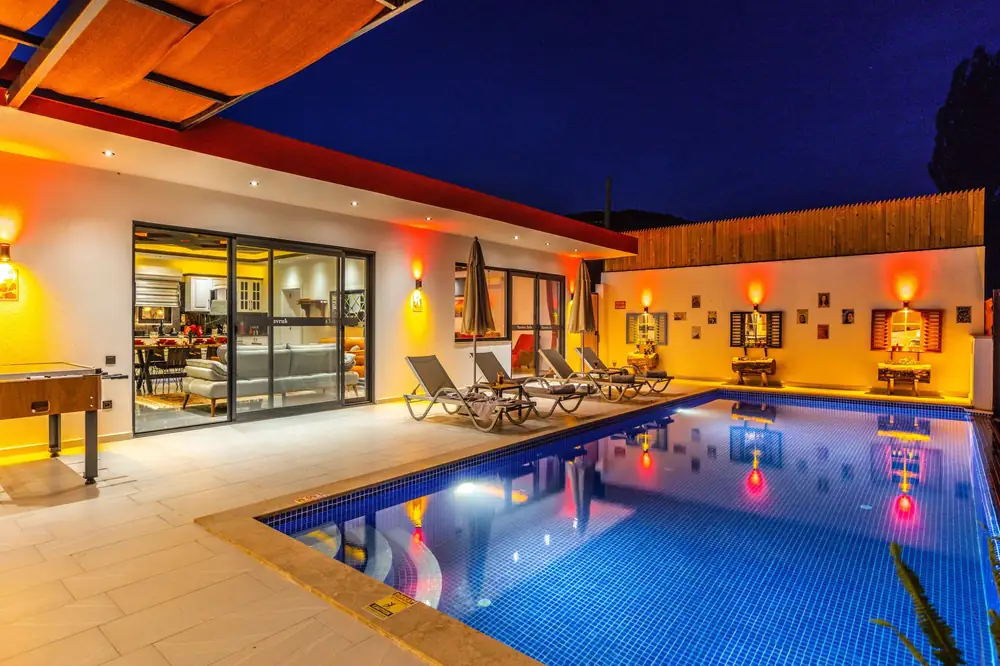
How NSW Pool Regulations Work
A pool in Suma Park has to satisfy three core New South Wales requirements, and laying them out removes most of the uncertainty. The first is approval. Pools on standard blocks usually proceed as Complying Development, with a Complying Development Certificate granted by a private certifier, the quicker of the two routes. More complex sites, or those caught by local planning controls, are approved through a Development Application assessed by Orange council. The second requirement is the safety barrier, governed by AS 1926.1. That standard sets a minimum fence height of 1200 millimetres, requires the gate to be self-closing and self-latching, and mandates a non-climbable zone around the barrier so children cannot get over it. The third is registration on the NSW Swimming Pools Register, a legal step that must be completed before the pool is filled and used, accompanied by a compliance certificate verifying the barrier. While the pool is being built, the site runs under SafeWork NSW rules. For a Central West homeowner, the comfort lies in how predictable this is: each obligation is defined, the order is the same on every job, and following it gives a Suma Park pool that is compliant and safe to use from day one.
Why Local Knowledge Matters in Suma Park
The pool builders serving Suma Park are local to the area, not a crew passing through from elsewhere, and that shapes how every project is run. Aussie Pool Builder holds the licence and insurance required for residential building work in New South Wales, and the team works across Orange and the broader Central West with trades it has used and trusts on site after site. Local knowledge earns its keep on a pool build more than on almost any other home project. The character of Suma Park blocks varies enormously, from flat suburban yards to steep or rock-laden sites, and knowing what the ground is likely to hold before excavation begins keeps a job on schedule and a quote honest. Familiarity with the Orange approval process matters too, because a builder who understands when a Complying Development Certificate suits and when a Development Application is the better route can steer a project down the smoother path. Beyond the technical side, being local means a builder is accountable to the community it works in and reachable if anything needs attention after handover. For a homeowner weighing up who to engage, that combination of proper licensing, real insurance and genuine local experience is what separates a dependable Suma Park builder from the rest.
How to Identify a Trustworthy Suma Park Pool Builder
Sorting a sound Suma Park pool builder from a chancy one is mostly a matter of verifying a few essentials. The licence is paramount, because every builder carrying out residential work in New South Wales must hold a current licence, and a homeowner can independently confirm it through NSW Fair Trading rather than assuming it exists. Public liability insurance is the next thing to establish, since it is the safeguard against the cost of damage or injury during the build. The contract carries equal weight: a reliable builder offers a written, fixed-price scope listing the shell, the filtration, the fencing, the paving and any provisional sums, which keeps the final cost honest. Recent Orange references and visible local work help confirm a builder does what it says. Certain behaviours should put a homeowner on guard. The most common is a request for a large cash deposit, which a legitimate Suma Park builder has no reason to make; close behind are reluctance to detail inclusions in writing and an inability to show recent Central West projects. A genuinely dependable builder will, without prompting, be clear about the approval route, the AS 1926.1 fencing standard and the requirement to list a pool on the NSW Swimming Pools Register before use.
Building a Pool to Suit Suma Park Ground
A pool build in Suma Park has to answer the particular conditions of Orange, and the more familiar a builder is with the area the fewer surprises arise. Block sizes and shapes vary across the district, and access is often the deciding factor, since the route from the street to the pool area sets which machinery can be used and how the excavation proceeds; many established Orange properties have narrow side access that needs compact plant or a crane. The ground is the next consideration, with Central West soils running from sand through clay to sandstone, and rock or reactive clay both affecting how the pool is excavated and engineered. Slope and established trees add further constraints, as a fall across the block may require retaining and a mature tree needs protecting from the dig. The council requirements then set the approval route, which for most pools is either a Complying Development Certificate through a private certifier or a Development Application through the Orange council, with the path depending on the site and the proposal. The Central West climate and exposure also feed into decisions on placement and finishes. Taking account of all of this early is what allows a Suma Park pool to be built smoothly and to suit the block it sits on.
Local Conditions Across Central West
The Central West around Orange, Bathurst and Dubbo spans cool tablelands and warmer western plains, so conditions vary with elevation. Higher towns like Orange and Bathurst get warm summers but cold, frosty winters and even snow, while Dubbo and the plains run hotter and drier. The practical swimming season is roughly November to March on the tablelands, a little longer further west, and heating is worth serious thought if a Suma Park pool is to be used beyond midsummer. Ground conditions include basalt and shrink-swell clay on the tablelands and rock in places, which can lift excavation costs, alongside more workable loams on the plains. Reactive clay requires engineered footings and proper drainage. Siting the pool to capture afternoon sun and block the cold westerly wind noticeably improves comfort across Orange.
Common Pool Questions in Suma Park
- How much does a new swimming pool cost in Suma Park?
- Cost depends on type, size, site access and finishes. As a guide in Suma Park, an installed fibreglass pool typically runs $35,000 to $75,000, while a custom concrete pool generally sits between $55,000 and $120,000 or more for larger designs. Rock excavation, retaining walls, premium tiling and landscaping all move the final figure on a Orange block.
- Concrete or fibreglass: which suits Suma Park better?
- Both perform well; the decision usually rests on your Suma Park block and goals. Concrete is the pick for a fully custom shape, feature edges or a difficult Central West site, while fibreglass wins on speed, value and low upkeep. Concrete is formed and sprayed on site; fibreglass arrives as a moulded shell and installs in a fraction of the time.
- How long does it take to build a pool in Suma Park?
- A fibreglass pool can be installed in roughly one to two weeks once approvals are in place, because the shell is manufactured off site and craned in. A custom concrete pool usually takes several weeks to a few months, since it is formed, sprayed, cured and finished on site. Access and Central West weather both affect the schedule on a Suma Park job.
- Is council approval required to build a pool in Suma Park?
- Almost every pool in New South Wales needs approval before construction, either a fast-tracked Complying Development Certificate through a registered certifier or a Development Application through Orange. The right route hinges on your Suma Park property and the relevant planning controls, and the paperwork is a standard part of the build process.
- How long does pool approval take in Suma Park?
- It depends on the pathway. A Complying Development Certificate through a private certifier is the faster option and is often determined within a few weeks where the design clearly meets the standards. A Development Application through Orange council generally takes longer, commonly a couple of months, as it allows for assessment and any required notification in Suma Park.
- What fencing does a pool need in Suma Park?
- All pools in Suma Park require a safety barrier built to AS 1926.1, covering fence height, a self-closing and self-latching gate and non-climbable zones. Options include frameless glass, semi-frameless glass and tubular aluminium. The barrier is inspected for compliance and the pool is recorded on the NSW Swimming Pools Register as part of finishing the job in Orange.
- What ongoing maintenance and running costs should I expect?
- Running costs in Suma Park cover electricity for the pump, chemicals, and occasional water top-ups, plus more if the pool is heated. Most owners spend a moderate amount each week. An energy-efficient pump, a saltwater or mineral system and a pool cover all bring those costs down, and fibreglass interiors generally need fewer chemicals than other finishes.
- Is a pool possible on a tight or sloping site in Suma Park?
- Small and sloping blocks are common across Suma Park and Orange, and pools are built on them regularly. A plunge pool suits a compact yard, while a sloping site may require retaining walls or an elevated, partly raised pool. Engineering for slope, side access and rock is a normal part of building on a difficult Central West block.
- Pool heating: can I extend the swim season in Suma Park?
- Yes. Solar, heat-pump and gas heating each extend the swimming season for Suma Park pools. Solar is the most economical to run in sunny Central West suburbs, heat pumps deliver reliable warmth on demand, and gas heats quickly for occasional use. Pairing any system with a pool cover holds the heat in and cuts running costs noticeably.
- What is the difference between salt, mineral and chlorine pools in Suma Park?
- All three keep a Suma Park pool clean; they differ in feel, cost and handling. Saltwater chlorination is popular for soft water and minimal chemical handling, mineral systems add magnesium for a silkier swim favoured by health-conscious owners, and manual chlorine remains the cheapest to set up. Salt and mineral systems can be fitted to new Orange builds or retrofitted to an existing pool.
- What does a standard pool build cover in Suma Park?
- A typical pool build in Suma Park brings together excavation, the shell, filtration and plumbing, fencing, paving and the interior, with landscaping often added. Access is the key practical factor: excavators and a concrete pump or a delivery crane need a usable path to the site. Where access is tight, the build is planned around it, and the inclusions are confirmed in writing for the Orange job.
- Do you offer a warranty on your pools?
- Yes. Pools built in Suma Park carry a structural warranty, and fibreglass shells include the manufacturer's warranty on the shell itself. The work is carried out by builders fully licensed and insured for residential construction in New South Wales, and the cover that applies to your build is set out clearly in the contract before work begins.
Areas We Cover Around Suma Park
Belgravia Pool Builders
Bletchington Pool Builders
Bloomfield Pool Builders
Borenore Pool Builders
Bowen Pool Builders
Cadia Pool Builders
Calare Pool Builders
Canobolas Pool Builders
Cargo Pool Builders
Cheesemans Creek Pool Builders
Clergate Pool Builders
Clifton Grove Pool Builders
Cranbury Pool Builders
Cullya Pool Builders
Glenroi Pool Builders
Kaleentha Pool Builders
Kerrs Creek Pool Builders
Lewis Ponds Pool Builders
Lower Lewis Ponds Pool Builders
Lucknow Pool Builders
March Pool Builders
Mullion Creek Pool Builders
Narrambla Pool Builders
Nashdale Pool Builders
Ophir Pool Builders
Orange Pool Builders
Orange East Pool Builders
Panuara Pool Builders
Shadforth Pool Builders
Spring Creek Pool Builders
Springside Pool Builders
Towac Pool Builders
Warrendine Pool Builders